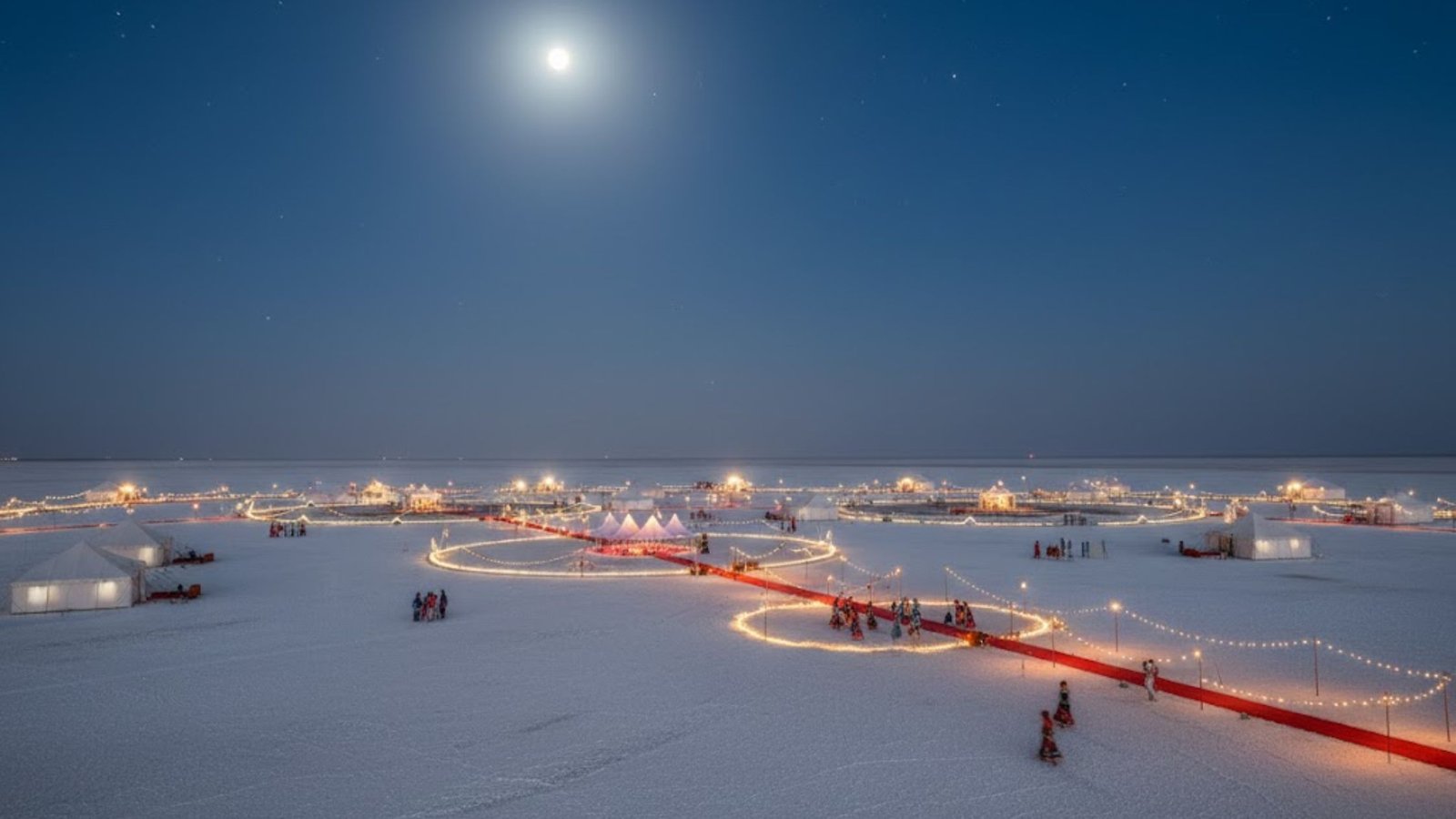

The Great Rann of Kutch is one of Bharat’s most extraordinary natural landscapes. For most of the year, it appears dry and endless, stretching quietly until the land dissolves into the sky. After the monsoon waters withdraw, the earth reveals a vast white expanse of salt, forming one of the largest salt deserts on the planet.
During winter, when Rann Utsav unfolds, this silent desert begins to breathe with life. The light shifts gently from the soft glow of sunrise to the warmth of sunset, and finally to a calm silver stillness under the full moon. Nights in the Rann are unhurried and peaceful. The open sky, the quiet wind, and the distant rhythms of folk music create an atmosphere that feels timeless. This natural rhythm of the White Desert shapes the soul of Rann Utsav and gives the festival its quiet yet powerful character.
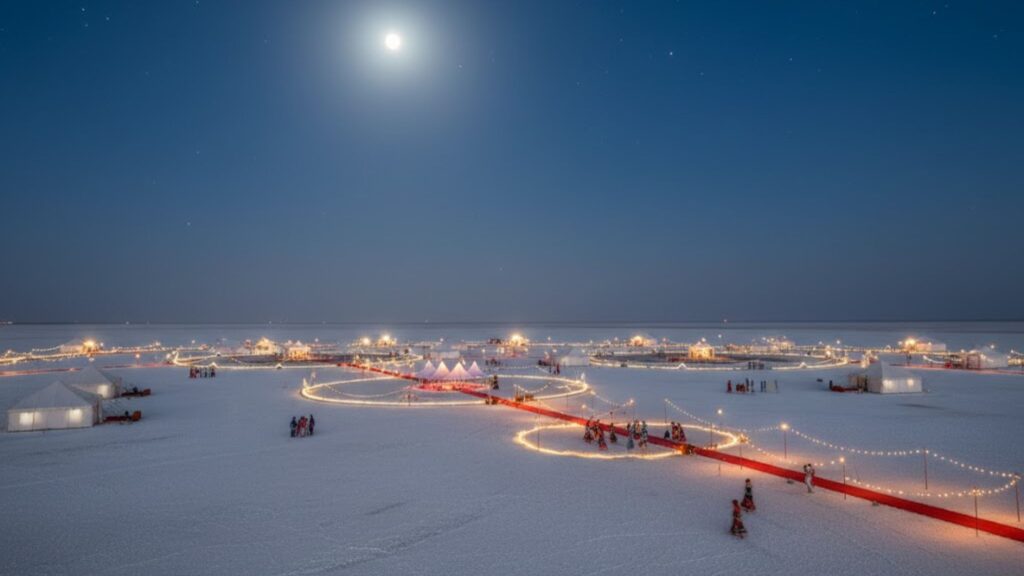
Table of Contents
Why the Government of Gujarat Gave Life to Rann Utsav
After the devastating earthquake of 2001, the Kutch region faced more than broken homes and damaged roads. It faced uncertainty. Traditional livelihoods that had sustained families for generations began to weaken. Many artisan households struggled to continue embroidery, weaving, and craft work. Younger members of the community slowly moved away from ancestral occupations in search of survival elsewhere.
Recognising both the cultural richness of Kutch and the urgent need to support its people, the Government of Gujarat envisioned a festival that could serve two purposes at once. One was cultural preservation. The other was livelihood generation. The idea was simple yet deeply thoughtful. Invite the world to witness Kutch as it truly is, while ensuring that the people of Kutch remain at the heart of the experience.
Rann Utsav was designed not as a commercial attraction, but as a seasonal celebration rooted in the land, the people, and their traditions. By hosting the festival in the White Desert itself, culture was not separated from its natural setting. Visitors were invited to come to the culture on its own terms. This approach ensured dignity, participation, and continuity for local communities.
The Cultural Significance of Rann Utsav
For centuries, the people of Kutch have lived in one of Bharat’s most demanding landscapes. Droughts, earthquakes, and extreme climates have tested their resilience time and again. Yet, Kutch has never been a land defined by hardship alone. Its people responded to challenges with colour, creativity, and collective strength.
Rann Utsav reflects this civilizational resilience. The folk music, dances, and embroidery showcased during the festival are not performances created for tourists. They are expressions of lived experience. Each song carries echoes of devotion and daily life. Each embroidered motif reflects nature, faith, and memory passed from one generation to the next.
When dancers move in open grounds under the night sky, they are not recreating tradition. They are continuing it. Rann Utsav allows visitors to witness how culture survives and flourishes even in the harshest environments.
Living Traditions at the Heart of the Festival
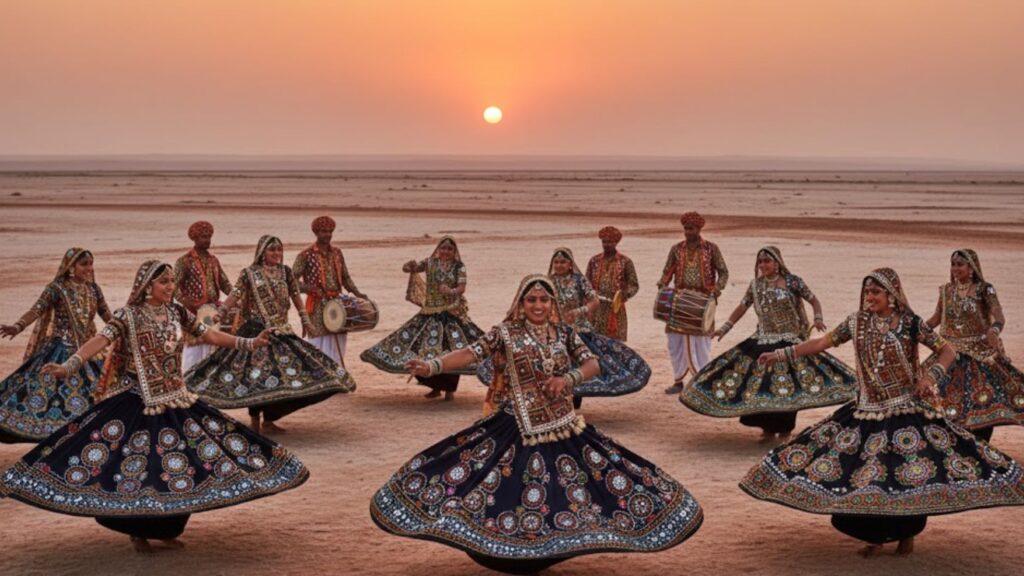
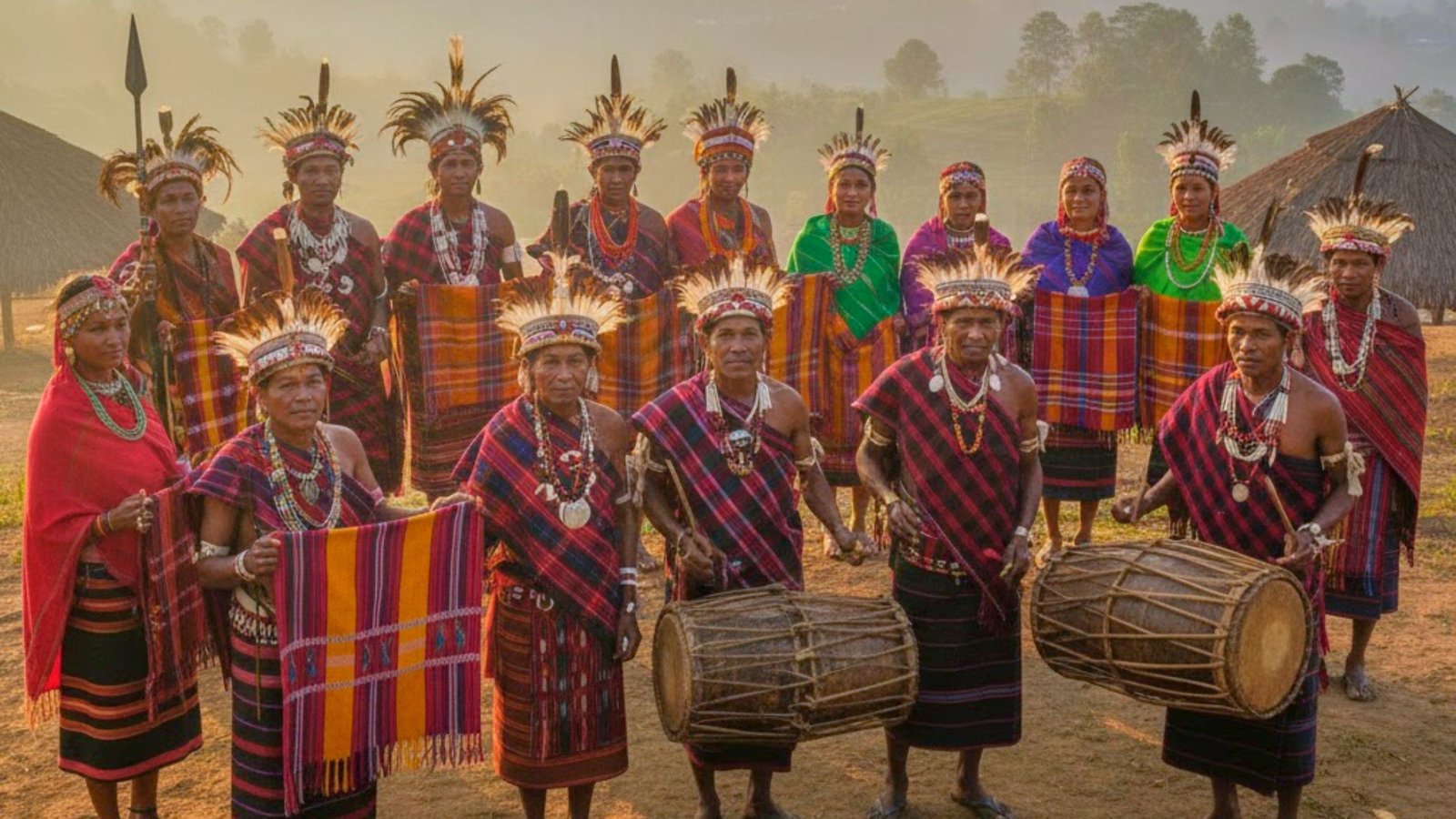
The true strength of Rann Utsav lies in its people. Folk musicians and dancers perform as they always have, with simplicity and pride. Their music speaks of work, seasons, devotion, and celebration, offering a glimpse into everyday life in Kutch.
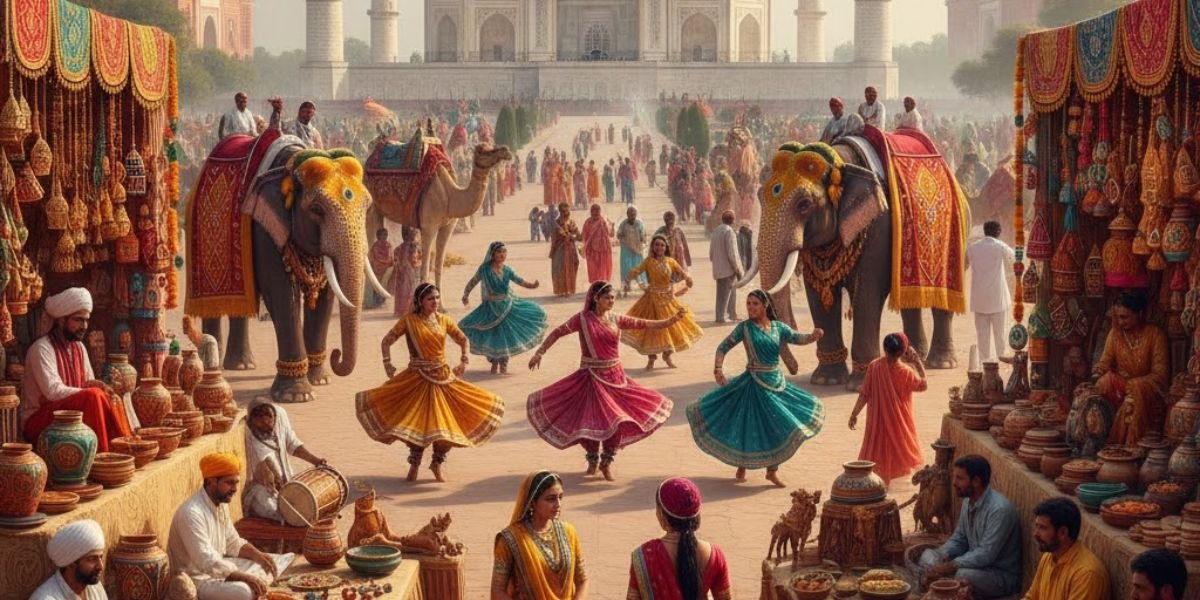
Artisans form the cultural backbone of the festival. Visitors walk through markets filled with hand embroidered textiles, mirror work, bandhani fabrics, leather goods, jewellery, and wooden crafts. These creations are not factory products. They are the result of patience, inherited skill, and deep cultural understanding.
Conversations with artisans add meaning to the experience. Visitors learn why certain colours are chosen, what symbols represent, and how craft is linked to climate and community life. Culture here is not displayed. It is shared.
A Festival That Gave New Life to Old Crafts
Many traditional crafts of Kutch once stood at the edge of decline due to lack of recognition and fair income. Rann Utsav created a space where artisans could meet visitors directly, explain their work, and receive rightful value for their skill.
For several families, the festival became a turning point. Crafts that were once practised quietly inside homes gained renewed respect. Young members of the community began learning again from elders, not out of obligation, but with pride. Through this exchange, traditions found continuity instead of silence.
Rann Utsav did not change the crafts. It changed how the world looked at them.
Exploring the Desert at a Gentle Pace
Beyond cultural spaces, Rann Utsav offers simple and respectful ways to experience the desert itself. Camel rides allow visitors to move slowly across the salt plains, echoing journeys taken by earlier generations. Guided walks explain the desert’s ecology, seasonal rhythms, and fragile balance.
For those seeking stillness, morning yoga sessions and quiet moments under the open sky offer calm and reflection. Even adventure activities such as hot air ballooning provide gentle perspectives rather than noise or spectacle.
The desert sets the pace. Visitors learn to slow down.
The Tent City: Comfort Within the Desert
The Tent City near Dhordo village is created each season as a temporary settlement for visitors. Its design reflects local aesthetics while offering comfort and thoughtful planning. Guests remain connected to the landscape rather than insulated from it.
Traditional Gujarati meals, cultural programmes, and shared spaces make daily life during the festival immersive. Evenings often conclude with music, conversations, and stargazing, strengthening the sense of shared human experience.
Impact on Local Communities
Rann Utsav has brought lasting change to the people of Kutch. It creates seasonal employment for artisans, performers, guides, drivers, and hospitality workers. More importantly, it restores dignity to traditional knowledge.
Young people now see value in learning crafts and folk arts that once seemed unviable. Cultural knowledge continues not as memory, but as living practice.
Why Rann Utsav Matters
In a fast moving world, Rann Utsav offers something rare. It invites people to observe, listen, and connect with respect. It reflects the spirit of Bharat, resilient, diverse, and deeply rooted in land and community.
Rann Utsav is not only a festival. It is a reminder that culture survives when people are honoured, traditions are valued, and development walks alongside dignity.
Key Takeaways
- Rann Utsav is a winter festival held in the Great Rann of Kutch, Gujarat.
- The White Desert plays a central role in shaping the festival’s atmosphere.
- Folk music, dance, and traditional crafts form the core cultural experience.
- Visitors engage directly with artisans and local communities.
- The Tent City allows comfortable and immersive desert living.
- The festival supports livelihoods and preserves regional traditions.
- Rann Utsav appeals strongly to travellers seeking meaningful cultural journeys.
References
- Gujarat Tourism, Government of Gujarat – Official Rann Utsav documentation
- Ministry of Tourism, Government of India (Incredible India)
- Wikipedia – Great Rann of Kutch
- Tourism Corporation of Gujarat Ltd. (TCGL) publications