
Summary
When people hear the words plastic surgery, they usually think of modern hospitals, advanced instruments, and recent medical breakthroughs. Very few imagine that some of the earliest foundations of plastic surgery were laid thousands of years ago in ancient India. This article explores how plastic surgery developed in ancient India, the role of Rishi Sushruta, and the medical knowledge preserved in the Sushruta Samhita. Told in a warm and friendly storytelling style, this piece looks at ancient rhinoplasty, surgical techniques, and why India holds a unique place in global medical history.
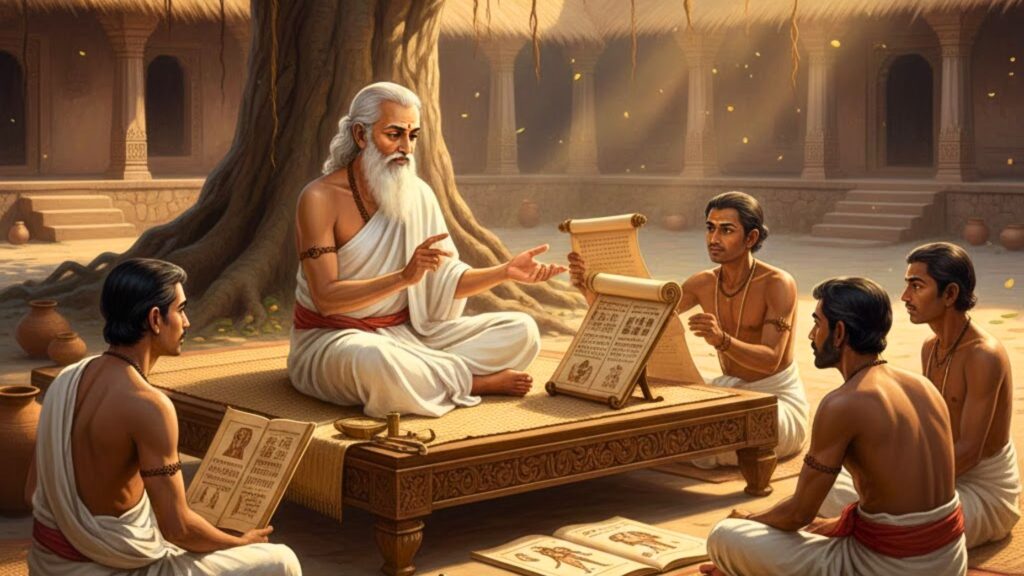
Table of Contents
A Surprising Beginning in Medical History
When I first came across the idea that plastic surgery existed in ancient India, I was honestly surprised. Like most people, I believed surgery as complex as nose reconstruction belonged only to modern medicine. But the deeper I explored India’s medical past, the clearer it became that ancient Indian physicians understood the human body far better than we often assume.
Long before modern anesthesia, microscopes, or sterile operation theaters, Indian surgeons were performing detailed procedures. They observed the body carefully. They documented their methods. They passed down knowledge through generations.
At the center of this tradition stands one remarkable figure known as Rishi Sushruta.
Who Was Rishi Sushruta
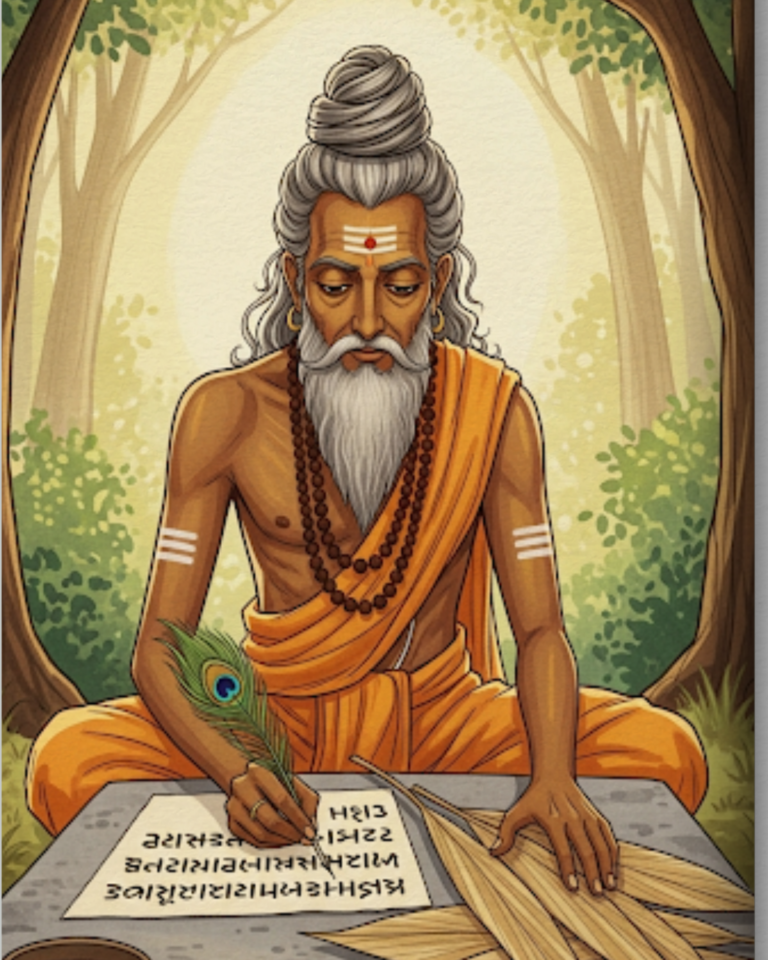
Sushruta is often described as the father of surgery. He lived in ancient India, traditionally dated to around 600 BCE, though some scholars suggest an even earlier period.
Unlike mythological figures, Sushruta belongs to the historical and medical tradition. He was a teacher, surgeon, and medical thinker who believed that healing required both knowledge and practice.
Sushruta taught that a physician must understand anatomy deeply. He insisted that students practice surgical techniques before operating on real patients. His approach was systematic, careful, and ethical.
In many ways, Sushruta sounds like a modern medical educator, even though he lived more than two thousand years ago.
The Sushruta Samhita: A Foundation of Surgical Knowledge
Sushruta’s teachings were preserved in an extensive medical text known as the Sushruta Samhita. This text is one of the most important works in the history of medicine.
The Sushruta Samhita is not a small handbook. It is a detailed medical encyclopedia that covers:
- Human anatomy
- Surgical instruments
- Surgical procedures
- Training of surgeons
- Post operative care
- Ethics of medical practice
- Diagnosis and treatment of diseases
What makes this text extraordinary is its surgical focus. While many ancient medical systems emphasized herbs and diet, the Sushruta Samhita gave surgery a central role.
Understanding Plastic Surgery in Ancient India
When we say plastic surgery today, we usually mean cosmetic procedures. In ancient India, plastic surgery had a different purpose. It was about restoration.
In ancient societies, injuries to the face were common. Punishments often involved cutting off the nose or ears. Wars, accidents, and animal attacks also caused severe facial damage. A damaged face meant social shame. It could destroy a person’s identity and dignity.
Ancient Indian surgeons recognized this. They developed techniques to restore damaged features, especially the nose. This is where ancient Indian plastic surgery truly stands out in world medical history.
Ancient Rhinoplasty: Reconstructing the Nose
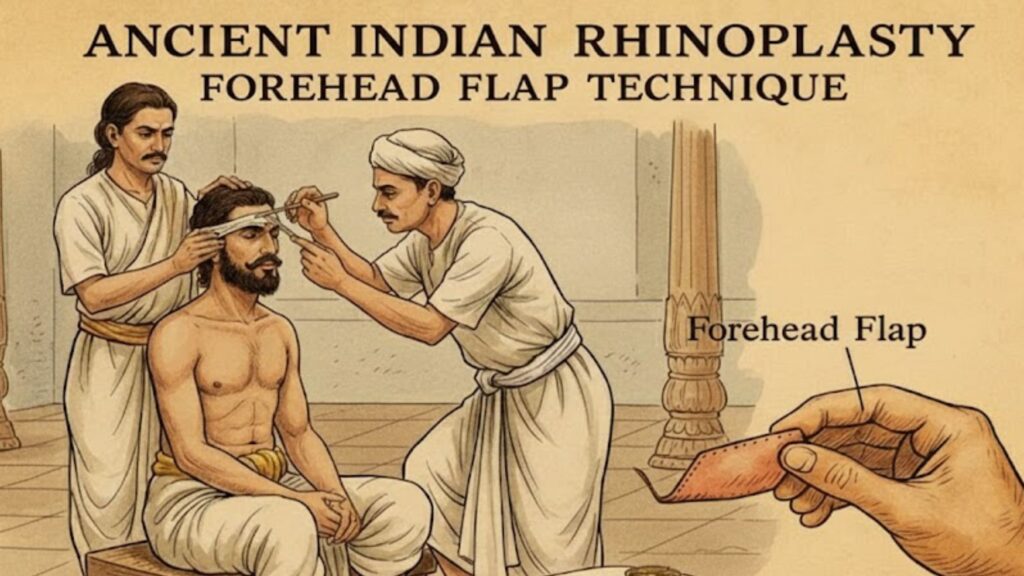
One of the most remarkable contributions of the Sushruta Samhita is its detailed description of rhinoplasty. Rhinoplasty is the surgical reconstruction of the nose. Sushruta described a method that involved using a flap of skin from the forehead or cheek to reconstruct the nose. This technique is now famously known as the Indian flap method.
The process involved:
- Measuring the damaged area
- Cutting a flap of skin while keeping it attached at one end
- Rotating the skin flap to shape a new nose
- Supporting the structure with tubes to maintain airflow
- Applying herbal preparations to aid healing
What is astonishing is how similar this method is to techniques used in modern reconstructive surgery.
European surgeons learned about this technique only in the eighteenth century, when British doctors in India observed local surgeons performing rhinoplasty.
Why Nose Reconstruction Was So Important
To understand why rhinoplasty became so advanced in ancient India, we need to understand the social context. In ancient times, cutting off the nose was a common form of punishment. It was used to mark criminals or enemies permanently.
A missing nose meant social exclusion. It affected marriage prospects, social interactions, and personal dignity. Restoring the nose restored identity. Ancient Indian surgeons were not performing cosmetic surgery for beauty. They were restoring humanity. This compassionate motivation gives ancient Indian plastic surgery a deeply human dimension.
Surgical Instruments Described by Sushruta
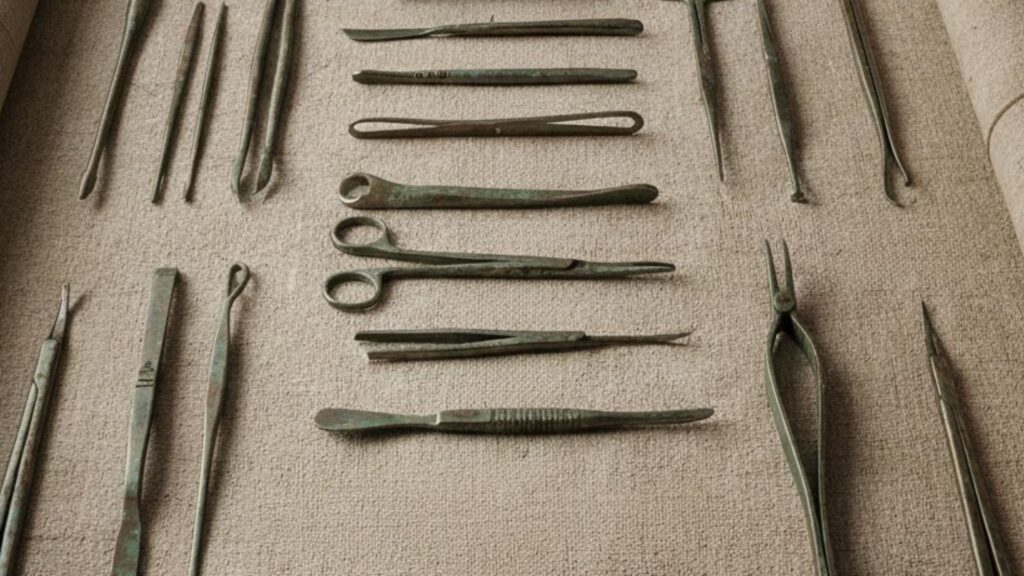
The Sushruta Samhita describes over one hundred surgical instruments. These instruments were carefully designed and categorized.
They included:
- Knives and scalpels
- Needles
- Forceps
- Probes
- Tubes
- Saws
Each instrument had a specific purpose. Sushruta even compared their shapes to animals and natural objects to make them easier to remember. This level of detail shows that surgery in ancient India was systematic and well-developed.
Training Surgeons in Ancient India
One of the most impressive aspects of Sushruta’s teaching is how he trained students. He did not allow beginners to operate on humans immediately. Instead, students practiced on:
- Vegetables
- Leather bags
- Pieces of wood
- Dead animals
This allowed them to develop hand control and precision. Sushruta believed surgery required steady hands, sharp observation, and calm focus. He emphasized cleanliness, preparation, and aftercare. These principles remain central to surgery even today.
Medical Ethics in the Sushruta Samhita
Sushruta was not just concerned with technical skill. He cared deeply about ethics.
He instructed surgeons to:
- Treat patients with compassion
- Avoid unnecessary harm
- Respect patient dignity
- Maintain personal discipline
- Continue learning throughout life
He believed that a physician without ethics was dangerous, no matter how skilled. This ethical approach makes the Sushruta Samhita not just a technical manual but a guide to responsible medical practice.
Plastic Surgery Beyond the Nose
While rhinoplasty is the most famous example, the Sushruta Samhita also describes other reconstructive procedures.
These include:
- Repair of torn ears
- Treatment of facial injuries
- Wound suturing techniques
- Management of burns
- Treatment of fractures and dislocations
Sushruta understood healing as a complete process. Surgery was followed by careful wound management, diet control, and herbal medicines. This holistic approach helped patients recover more effectively.
Influence on Global Medical History
For a long time, the contributions of ancient Indian medicine were overlooked in global medical history. However, historical records show that Indian rhinoplasty techniques reached Europe in the eighteenth century. British surgeons documented procedures performed by Indian practitioners.
These observations influenced the development of modern plastic surgery in the West. In fact, many historians acknowledge that modern reconstructive surgery owes a significant debt to ancient Indian methods.
Separating Myth from Medical Evidence
Unlike some claims about ancient technology, plastic surgery in ancient India is supported by strong textual and historical evidence. The Sushruta Samhita is a real medical text. Its surgical descriptions are practical and detailed. Historical accounts confirm that these techniques were actually practiced.
This makes ancient Indian plastic surgery one of the clearest examples of advanced medical knowledge in early civilization. There is no need for exaggeration. The truth itself is impressive.
Why Sushruta Still Matters Today
Sushruta’s work reminds us that innovation is not limited to modern times. Ancient civilizations were capable of remarkable scientific thinking when observation, experience, and discipline came together. His emphasis on training, ethics, and patient care makes him relevant even in modern medicine.
When surgeons today reconstruct a face after injury, they are unknowingly walking a path first explored in ancient India.
Key Takeaways
- Plastic surgery existed in ancient India thousands of years ago
- Rishi Sushruta is considered the father of surgery
- The Sushruta Samhita is a foundational medical text in surgical history
- Ancient Indian surgeons performed rhinoplasty using skin flap techniques
- These techniques influenced modern plastic surgery
- Surgery in ancient India was ethical, systematic, and compassionate
- Medical training involved practice, observation, and discipline
- Ancient Indian medicine contributed significantly to global medical history
Citations
- Encyclopedia Britannica. Sushruta and History of Surgery
- Sushruta Samhita. Translations and Medical Commentaries
- National Library of Medicine. History of Rhinoplasty
- Indian Journal of Plastic Surgery. Ancient Indian Surgical Techniques
- World History Encyclopedia. Medicine in Ancient India
- Oxford Handbook of Medical History. Early Surgical Practices
- Journal of Ayurveda and Integrative Medicine. Sushruta Samhita Studies