
Summary
Taj Mahotsav is a yearly cultural festival held in Agra near the Taj Mahal. It brings together artisans, craftsmen, musicians, and food traditions from different parts of India. The festival offers a space where traditional skills and local cultures are shared with visitors. Known as an Indian handicrafts festival and a popular Agra cultural fair, Taj Mahotsav helps preserve Bharat’s everyday art forms and supports the people who keep these traditions alive.
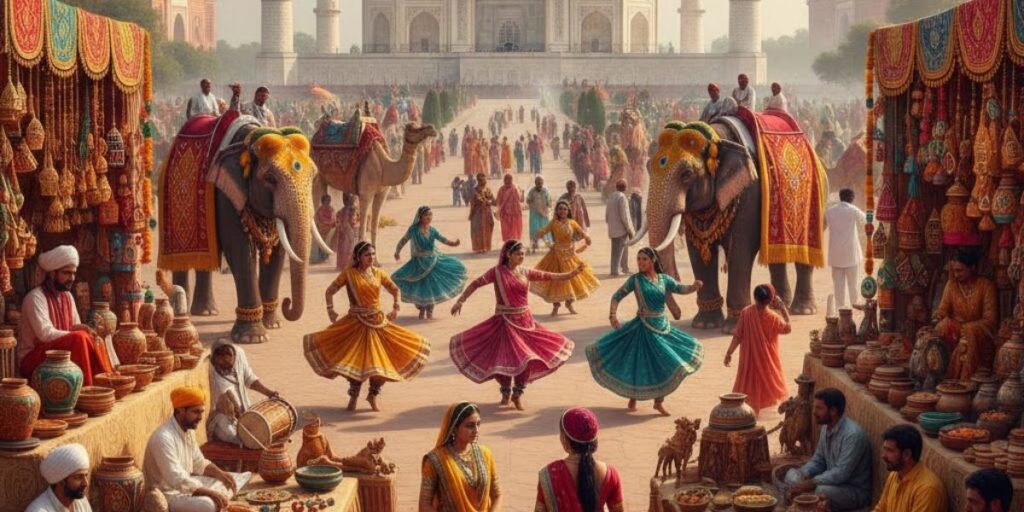
Table of Contents
History Behind Taj Mahotsav
Agra and Its Cultural Past
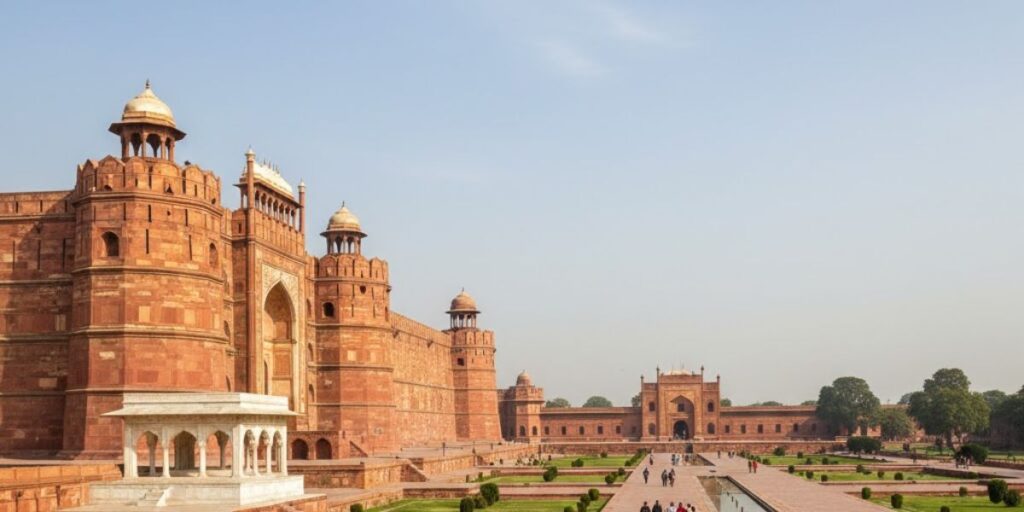
Taj Mahotsav is closely linked to Agra, a city known around the world for the Taj Mahal. The monument was built by Mughal emperor Shah Jahan in memory of his wife, Mumtaz Mahal. Over time, it became a symbol of love and fine craftsmanship.
Agra’s history goes back much further. Ancient texts refer to the area as Agravan, showing its place in early Indian history. Later, Sultan Sikandar Lodi developed the city and gave it political importance. During the Mughal period, Agra was known as Akbarabad and served as the capital of the empire for many years.
When the capital moved to Delhi, Agra continued to remain important. Its buildings, gardens, and craft traditions stayed active. These layers of history shaped Agra into a centre of art and culture. Taj Mahotsav was created to reflect this long cultural journey.
How Taj Mahotsav Began
Taj Mahotsav was started in 1992 by the Uttar Pradesh State Tourism Department. The aim was to highlight India’s traditional arts and bring cultural activities closer to visitors coming to Agra. The festival was planned as a space where heritage could be experienced, not just observed.
Taj Mahotsav started as a way to celebrate India’s traditional arts and living culture. The festival takes inspiration from the Mughal era and the Nawabi lifestyle that influenced Uttar Pradesh during the eighteenth and nineteenth centuries.
These influences appear in the design of the festival grounds, the performances, and the choice of crafts. The aim was to show tradition in a simple and honest way.
The festival is held every year from February 18 to February 27 at Shilpgram, a crafts village near the eastern gate of the Taj Mahal. The ten-day event was planned as an open space where artists and visitors could meet naturally.
The opening day often features a traditional procession with decorated elephants and camels. This recalls royal journeys of the past and sets a cultural tone for the festival.
A Gentle Tribute to Love
The Taj Mahal stands close to the festival grounds, giving the Taj Mahotsav deeper meaning. The story of Shah Jahan and Mumtaz Mahal is quietly reflected through the setting rather than words.
Art, music, and crafts unfold beside the monument, reminding visitors of patience, devotion, and care. This connection gives the festival a calm emotional presence.
Giving Space to Artisans
One of the main reasons for starting Taj Mahotsav was to support artisans. Many traditional crafts were losing space as factory-made goods became common.
As an Indian handicrafts festival, Taj Mahotsav gives craftsmen a place to show their skills. Artisans from different states bring work made by hand using local materials and old methods.
Visitors can see pottery, weaving, embroidery, woodwork, metal crafts, stone carving, and leather items. Each piece reflects the region it comes from and the person who made it.
Meeting the makers helps visitors understand the effort behind handmade work. It also helps artisans earn a fair income and continue their craft.
Cultural Significance of Taj Mahotsav
Traditional Arts and Crafts
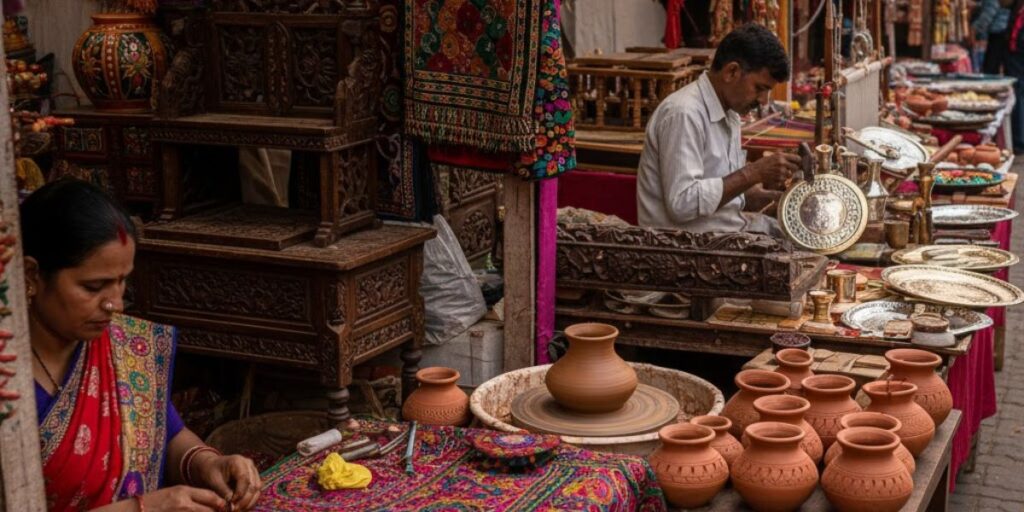
Traditional arts form the heart of Taj Mahotsav. The festival gathers crafts that usually remain limited to villages and small towns.
These crafts are part of daily life, rituals, and local customs. Taj Mahotsav helps people see them as living traditions rather than old objects.
As a leading Indian handicrafts festival, it plays an important role in keeping these skills active and valued.
Folk Music and Dance
Music and dance bring warmth to the festival. Folk artists from different regions perform songs and dances shaped by local life.
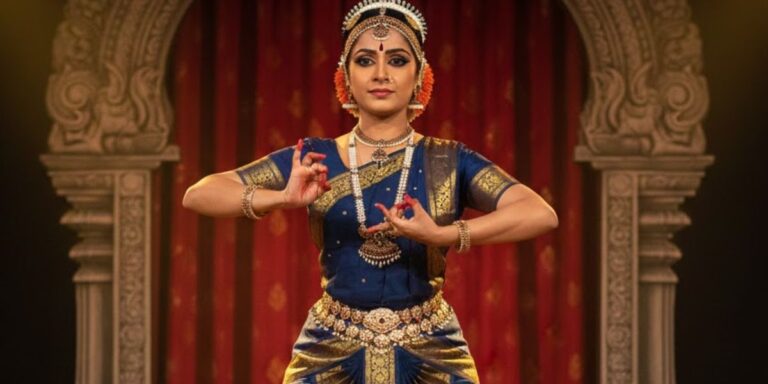
These performances often speak about farming, seasons, devotion, and community bonds. Classical dance forms are also presented in a simple setting, without heavy stage effects.
As an Agra cultural fair, Taj Mahotsav allows these art forms to reach people from many backgrounds.
Food and Regional Taste
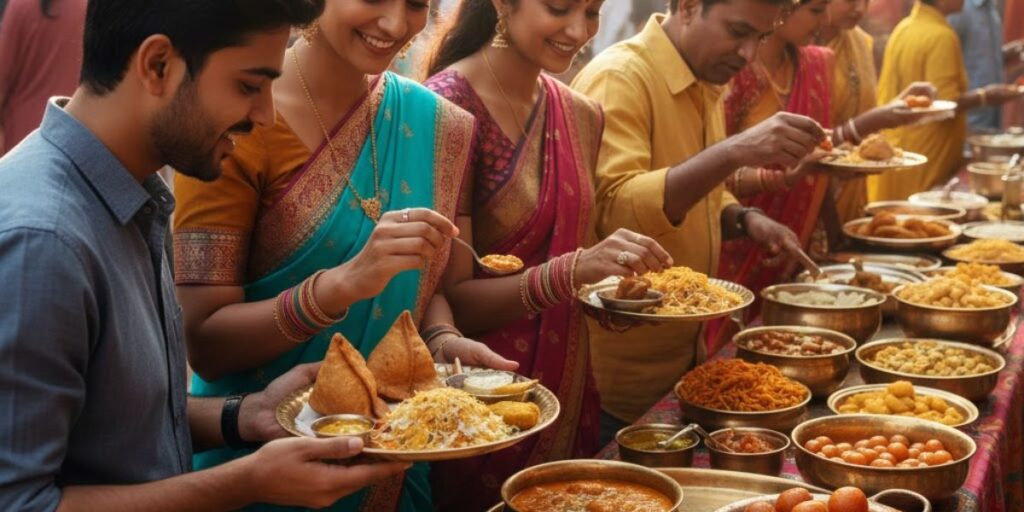
Food is an important part of cultural sharing. Taj Mahotsav offers traditional dishes from various regions of India.
Each dish reflects local ingredients and cooking methods. Visitors can taste food that is part of everyday life in different parts of the country.
Sharing meals helps visitors connect with the culture warmly and familiarly.
Simple Cultural Experiences
Activities such as camel and elephant rides add to the traditional feel of Taj Mahotsav. These experiences reflect older ways of celebration and travel.
Families and children enjoy these moments, which make the festival welcoming and relaxed.
These activities help visitors engage with culture gently and memorably.
Textiles and Clothing Traditions
Textiles hold a special place at Taj Mahotsav. Weavers and artisans display fabrics that reflect regional styles, colours, and patterns.
Visitors can see how clothing is shaped by climate, materials, and tradition. This section shows textiles as part of daily life rather than fashion trends.
Supporting Rural Communities
Many artisans who take part in Taj Mahotsav come from rural areas. The festival allows them to sell their work directly to visitors.
This support helps families continue traditional occupations. It also encourages younger generations to learn these skills and carry them forward.
Learning Through Observation
Taj Mahotsav offers learning through simple observation. Visitors can watch artisans work, listen to performers, and ask questions.
These interactions help people understand culture naturally, without formal teaching.
Taj Mahotsav as an Agra Cultural Fair
As an Agra cultural fair, Taj Mahotsav adds depth to Agra’s identity. Visitors who come to see the Taj Mahal also experience living traditions.
The festival shows that Agra is not only about monuments. It is also about people, skills, and shared culture.
Unity Through Cultural Sharing
Taj Mahotsav brings many regions together in one place. Each region shares its culture while standing alongside others.
Visitors move freely between spaces, experiencing differences and similarities. This shared environment reflects unity built on respect.
Connecting Past and Present
Taj Mahotsav links older traditions with present life. It shows that traditional arts still have meaning today.
By slowing down and observing these practices, visitors gain respect for time, effort, and skill.
Key Takeaways
- Taj Mahotsav celebrates living cultural traditions
- It is a recognised Indian handicrafts festival
- The event strengthens Agra’s cultural identity
- It supports artisans and rural communities
- Taj Mahotsav connects people with history and culture
Citations
- Uttar Pradesh Tourism Official Website – Details about Taj Mahotsav, its history, and schedule.
- Incredible India – Ministry of Tourism, Government of India – Cultural festivals of India, including Taj Mahotsav.
https://www.incredibleindia.org/ - Times of India – Articles on Taj Mahotsav, covering performances, crafts, and visitor experience.
- Hindustan Times – Coverage of Taj Mahotsav events and history.
https://www.hindustantimes.com/
Read More About Indian Festivals:
Cochin Carnival: Where the Sea Welcomes the New Year
Rann Utsav: When the White Desert Becomes a Living Festival of Bharat