
Summary
The Varna system is one of the most misunderstood ideas in Indian history. Today, it is often confused with rigid caste divisions, discrimination, and social inequality. But the original Varna system, as described in the Vedic age, was very different. It was not based on birth, but on qualities, abilities, and actions. This article explains the true meaning of the Varna system, what Chaturvarna really meant in the Vedic period, and how the later caste system evolved from a flexible social framework into a rigid hierarchy. Written in a friendly and respectful tone, this article presents the Varna system in its original spirit and intent.
Table of Contents
Why the Varna System Is So Misunderstood Today
Whenever the Varna system is mentioned, emotions run high. For many people, the word immediately brings images of discrimination, oppression, and injustice. This reaction is understandable. What developed in later centuries caused real suffering. But to understand history honestly, we must separate what the Varna system originally was from what it later became. Judging the Vedic Varna system only by its later distortions is like judging the idea of medicine by misuse of drugs. The intention and the application are not the same. If we return to the earliest sources, especially the Vedas, we find a system designed for balance, harmony, and social cooperation.
Varna System Meaning in the Vedic Context
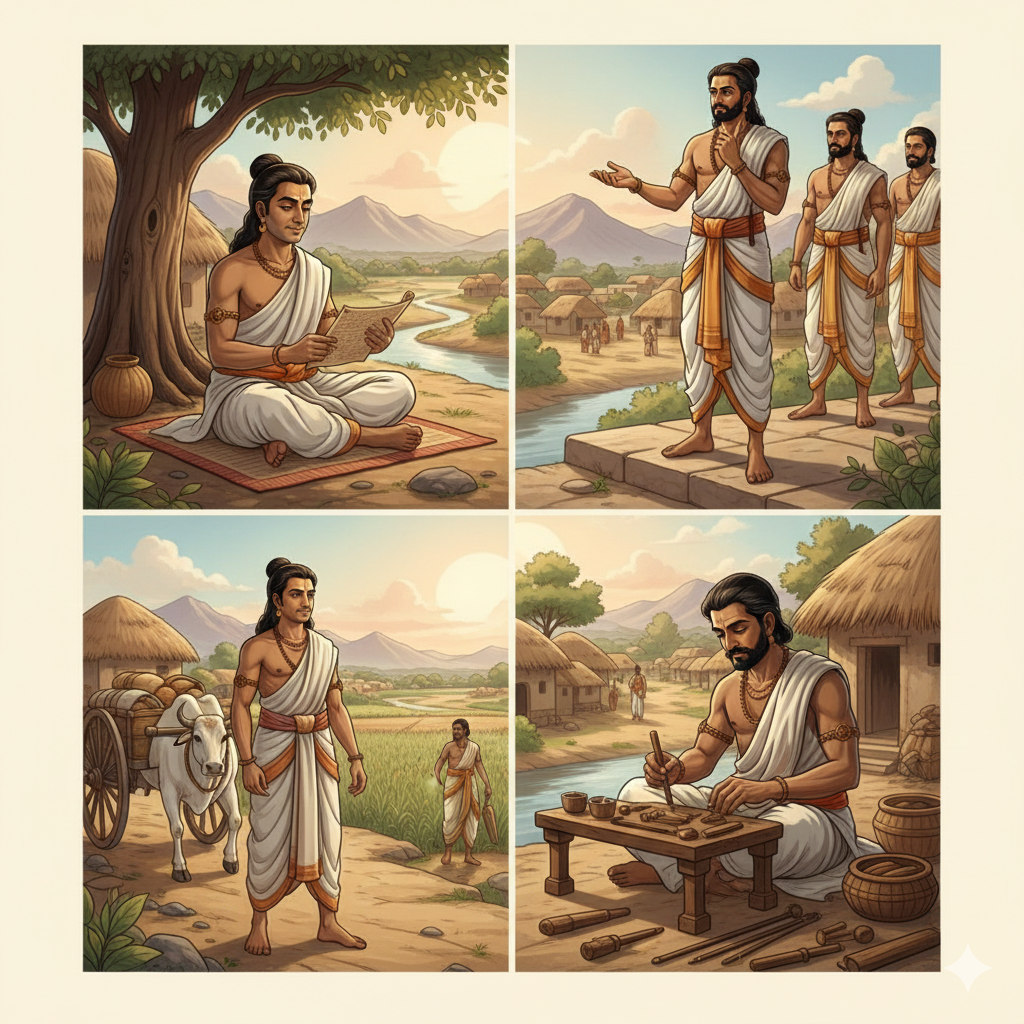
The Sanskrit word varna literally means color or classification. In the Vedic context, it refers to a way of organizing society based on qualities, temperament, and work, not birth. The Varna system was meant to answer a simple question. How can a society function smoothly when people have different natural tendencies? Some people are naturally inclined towards learning and teaching. Some are natural leaders and protectors. Some excel in trade, agriculture, and wealth creation. Some prefer skilled work, service, and craftsmanship. The Varna system recognized this diversity and gave dignity to every role.
What Is the Chaturvarna System
The term Chaturvarna simply means four varnas.
These four were:
- Brahmana
- Kshatriya
- Vaishya
- Shudra
In the Vedic age, these were not rigid boxes. They were functional roles that kept society balanced. Let us understand each one in its original meaning.

Brahmana: The Seekers of Knowledge
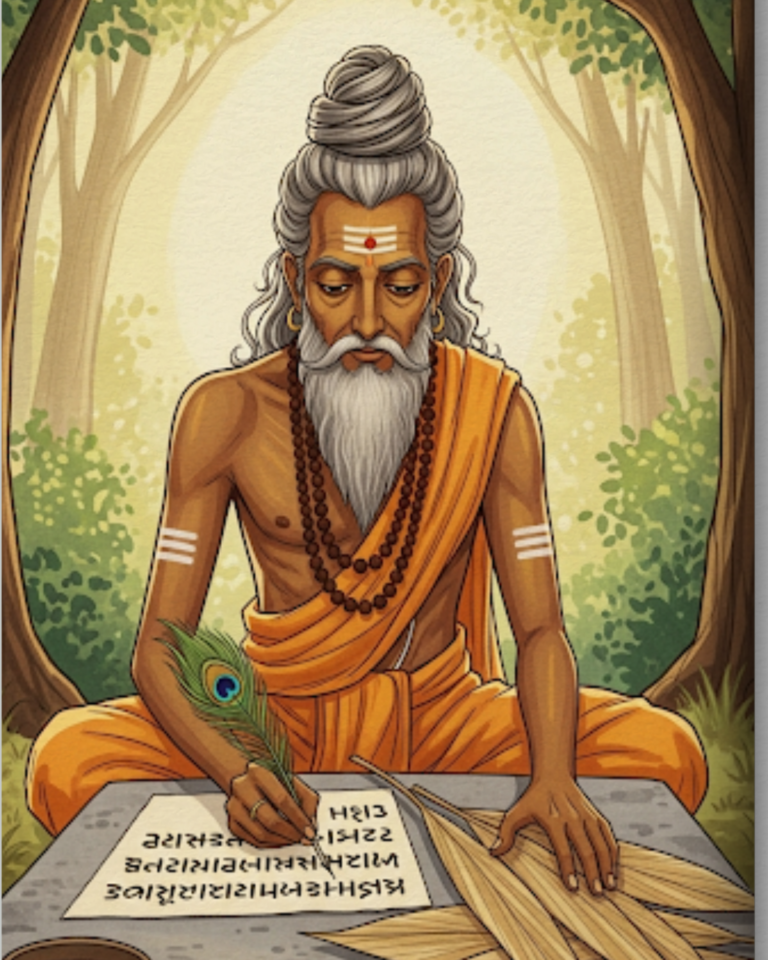
Brahmanas were those inclined towards learning, teaching, contemplation, and spiritual inquiry.Their responsibilities included:
- Studying sacred knowledge
- Teaching students
- Preserving traditions
- Advising society
- Performing rituals for social harmony
A Brahmana was expected to live a disciplined life, avoid greed, and place knowledge above power and wealth. Importantly, one became a Brahmana by conduct and learning, not by birth alone. Many ancient texts clearly mention sages from non Brahmana backgrounds who became revered teachers.
Kshatriya: The Protectors and Leaders
Kshatriyas were those with leadership qualities and courage. Their duty was to protect society. Their responsibilities included:
- Governance
- Law and order
- Defense
- Administration
- Justice
A true Kshatriya was expected to rule with fairness, bravery, and responsibility. Power was not a privilege. It was a duty. Many kings were guided by sages. This balance ensured that power and wisdom worked together.
Vaishya: The Builders of Prosperity
Vaishyas were responsible for economic stability.
Their roles included:
- Agriculture
- Cattle rearing
- Trade and commerce
- Wealth generation
Vaishyas ensured food security and economic growth. Without them, society could not sustain itself. Their work was respected and essential. Wealth creation was not looked down upon in the Vedic worldview. It was considered necessary for societal well being.
Shudra: The Skilled Contributors
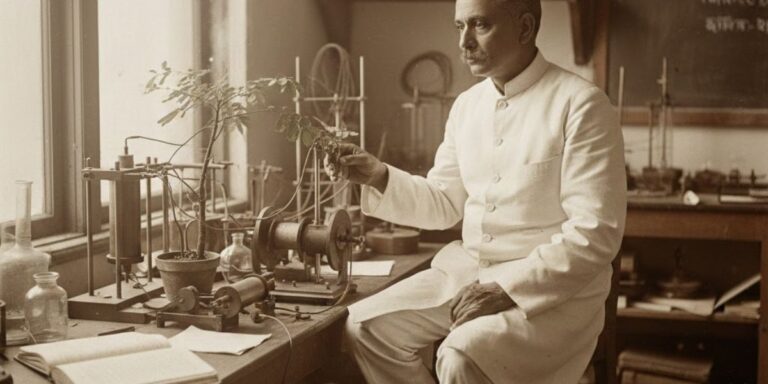
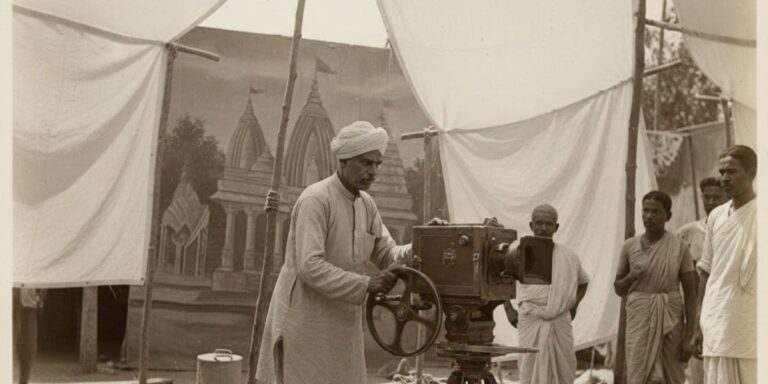
Shudras were skilled workers, artisans, craftsmen, and service providers.
Their contributions included:
- Craftsmanship
- Construction
- Service roles
- Skilled labor
Far from being inferior, Shudras were valued for their practical skills. Every society depends on those who build, repair, and maintain daily life.
The dignity of labor was deeply respected in the early Vedic worldview.
Was the Varna System Based on Birth
This is the most important question.
In the early Vedic age, the Varna system was not rigidly birth based. Several ancient stories show people moving between varnas based on qualities and actions. Sages like Vishvamitra were born Kshatriyas and became Brahmanas through spiritual effort. Many royal figures had sage fathers. Many teachers came from humble origins. This clearly shows that varna was fluid. Birth gave a starting environment, not a final identity.
Why the Varna System Made Sense in the Vedic Age
The Vedic world was not industrial or modern. It was agrarian, tribal, and closely tied to nature. For such a society to function:
- Knowledge had to be preserved
- Defense had to be strong
- Economy had to be stable
- Skilled work had to continue
The Varna system provided a natural division of responsibilities. Everyone had a role. Every role had dignity. No role was considered unnecessary. This system promoted cooperation, not competition.
How the Caste System Originated Later
So where did the caste system come from?
The caste system as we know it today developed much later.
Over centuries, several changes occurred:
- Varna roles became hereditary
- Social mobility decreased
- Power structures hardened
- Foreign invasions disrupted institutions
- Economic insecurity increased
To preserve privilege, groups began to restrict access to education and power. What was once flexible became rigid. What was once functional became hierarchical. This was not the original intention of the Varna system.
Varna and Karma Were Always Connected
One of the most misunderstood aspects is the relationship between varna and karma. In the Vedic worldview, a person’s work and actions mattered more than birth. Your actions defined your role. Your conduct defined your worth. This idea appears repeatedly in ancient texts. A person who lived with wisdom was considered noble regardless of origin. A person who acted without ethics lost respect regardless of status. This ethical foundation was central to the Varna system.
Why the Varna System Was Not About Discrimination
Discrimination arises when dignity is denied. The original Varna system did not deny dignity to any role. A teacher without farmers would starve.
A king without artisans would fail. A trader without protection would collapse. A society without knowledge would decay. Every varna depended on the others.This interdependence was the heart of the system.
Misuse Does Not Invalidate the Original Idea
Many social systems around the world have been misused. Monarchies turned tyrannical. Religions were weaponized. Economic systems became exploitative.But misuse does not define the original idea. The Varna system was a framework. Human greed distorted it. Understanding this difference is essential to having a balanced view of Indian history.
Why Revisiting the Varna System Matters Today
Understanding the original Varna system helps us reclaim:
- Respect for work
- Dignity of skills
- Balance between knowledge and power
- Ethical responsibility
- Social harmony
It reminds us that diversity of ability is natural. Equality does not mean sameness. When understood correctly, the Varna system promotes contribution over status.
Key Takeaways
- The Varna system meaning in the Vedic age was based on qualities and work
- Chaturvarna was a functional division of social roles
- Birth did not rigidly determine varna in early Vedic society
- Every varna had dignity and social importance
- The caste system origin lies in later historical distortions
- Discrimination was not the original purpose of varna
- Varna and karma were deeply connected
- Understanding the original system requires historical context
- Misuse over time should not erase the original intent
Citations
- Encyclopedia Britannica. Varna and Social Organization in Ancient India
- Rigvedic Hymns and Early Social Structure Studies
- Upanishadic Texts on Karma and Duty
- Oxford Handbook of Hindu Studies
- Indian History Congress Papers on Caste Formation
- Romila Thapar. Early India Social Structures
- Radhakrishnan. Indian Philosophy and Ethics