
Summary
The Lohri Festival is a winter celebration observed mainly in Punjab and northern India on January 13. It marks the end of the cold season and the gradual return of longer days. Known as a Punjab harvest festival, Lohri honours farmers, the land, and seasonal crops like wheat and sugarcane. Families gather around the Lohri bonfire tradition, sing folk songs, share food, and express gratitude to nature. The festival reflects warmth, community bonding, and respect for agricultural life.
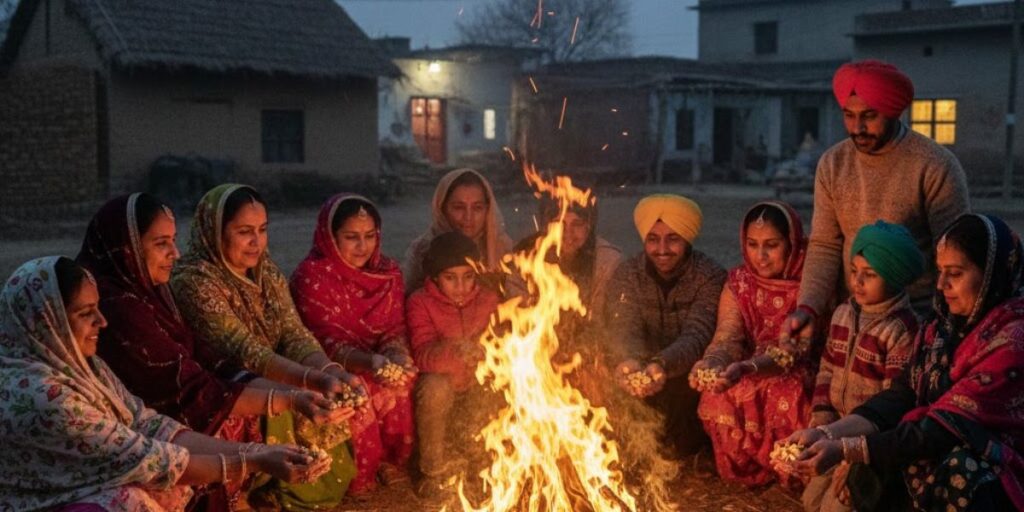
Table of Contents
History Behind Lohri
Village Roots and Farming Life
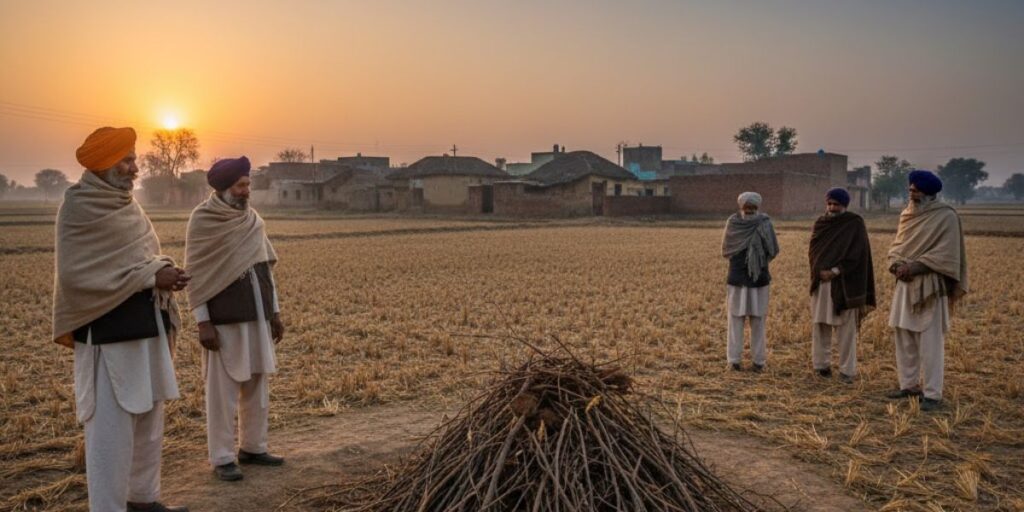
Lohri started in villages where farming shaped daily life. Winter was cold and long, and work in the fields was limited. Families relied on stored grains to get through the season. Lohri became a time to come together, share warmth, and celebrate the harvest.
Around the bonfire, people would tell stories, sing songs, and enjoy simple food. The fire symbolised hope, comfort, and the support of nature. It reminded everyone of the value of hard work and the joy of sharing with the community.
Seasonal Change and the Sun
Lohri also marks a change in the sun’s path. After the winter solstice, days slowly become longer. This period is called Uttarayana. Longer days mean more sunlight and warmth for the land. The bonfire represents this change, giving people hope and energy for the months ahead.
Harvest and Gratitude
Lohri happens when wheat, sugarcane, and other crops are ready for harvest. Farmers thank nature for a good yield and pray for a successful next season. They throw sesame seeds, jaggery, peanuts, popcorn, and sugarcane into the fire as an offering. These items represent health, sweetness, abundance, and hard work. Everyone, including children, participates to show respect for the earth and its gifts.
Folk Legend of Dulla Bhatti
A famous story of Lohri is about Dulla Bhatti, a hero from Punjab during the Mughal era. He helped poor people and saved young girls from forced marriages. During Lohri, people sing folk songs about him. These songs tell stories of his bravery and kindness and teach lessons about courage and fairness.
Though Lohri existed before him, Dulla Bhatti’s legend became part of the festival. Celebrating him adds moral and cultural meaning, making Lohri more than just a harvest festival.
Celebration Across Regions
Though it started in Punjab, Lohri is now celebrated in Haryana, Himachal Pradesh, Jammu, and by Indian communities abroad. In cities, the festival may include music shows, dances, and gatherings. But the main elements—fire, gratitude, and togetherness—remain the same. Even far from home, people continue the tradition, keeping their cultural roots alive.
Cultural Meaning and Significance
The Bonfire at the Centre
The bonfire is the heart of Lohri. As night falls, families and neighbours gather around the flames. They throw jaggery, sesame seeds, peanuts, popcorn, and sugarcane into the fire as an offering to nature. The fire also brings warmth, energy, and a sense of hope.
The fire creates a space for the community. People share stories, sing songs, and enjoy each other’s company. Children dance around the flames and toss popcorn or peanuts into the fire, learning about gratitude and togetherness.
Songs, Dance, and Community Spirit
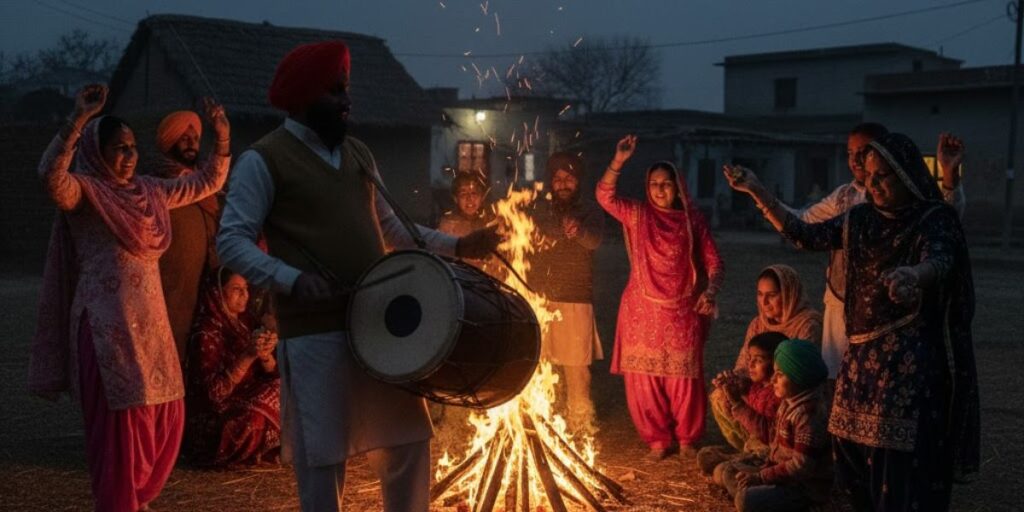
Music and dance make Lohri lively. Folk songs tell stories of heroes, legends, and village life. Dancing in circles around the fire brings joy and strengthens bonds.
Children sing and visit houses during the day to collect treats. This tradition spreads happiness and helps them feel part of the community. Music, dance, and singing also teach cultural values to the younger generation.
Celebrating Renewal
Lohri celebrates the return of longer days after the darkest nights of winter. The bonfire is a symbol of hope and new beginnings. Families offer prayers for health, happiness, and prosperity. The festival reminds everyone that life moves in cycles, and after hardship comes warmth and light.
Food and Sharing
Food is very important during Lohri. Families prepare makki di roti, sarson da saag, and sweets made from jaggery and sesame seeds. Sharing these meals brings people together and teaches generosity. Children enjoy treats while going from house to house, learning the joy of giving and receiving.
Food represents abundance, community, and the reward of hard work. It strengthens family bonds and connects neighbours in celebration.
Special Customs
Lohri is also celebrated for important life events. A bride’s first Lohri or a newborn’s first festival is special. Families give gifts, blessings, and hold gatherings. These practices give the festival personal meaning and strengthen family relationships while keeping traditions alive.
Lohri in Modern Times
Today, Lohri is celebrated in villages, towns, cities, and even abroad. Modern celebrations may include music performances, cultural shows, and larger gatherings. But the essence of the festival—gratitude, respect for nature, and community—remains the same. Lohri continues to unite people and bring warmth and joy across generations.
Key Takeaways
- Lohri is celebrated mainly in Punjab and northern India on January 13.
- It marks the end of winter and the start of longer, warmer days.
- The bonfire symbolises warmth, hope, and gratitude to nature.
- Folk legends, especially Dulla Bhatti, add cultural and moral lessons.
- Music, dance, and shared meals strengthen communities.
- Special customs honour life events and help preserve traditions across generations.
Citations
- Art of Living – All You Wanted to Know About the Lohri Festival (artofliving.org)
- Encyclopaedia Britannica – Lohri (en.wikipedia.org)
- Punjab folklore and cultural archives
- Studies on Indian harvest festivals
Read More About Indian Festivals
Pongal Festival: An Ultimate Gratitude to Nature Through Rice and Rituals