
Summary
Maha Shivaratri is one of the most meaningful nights in the Hindu calendar and is observed as a Lord Shiva Festival dedicated to devotion, discipline, and inner stillness. It is marked by prayer, fasting, and quiet reflection. Unlike many celebrations focused on outward joy, this Hindu Spiritual Night invites people to slow down and turn inward. Devotees stay awake through the night, chant Shiva’s name, and visit temples. Maha Shivaratri is believed to calm the mind and deepen awareness. More than ritual worship, it is a time for self-understanding, letting go of restlessness, and moving closer to inner peace.
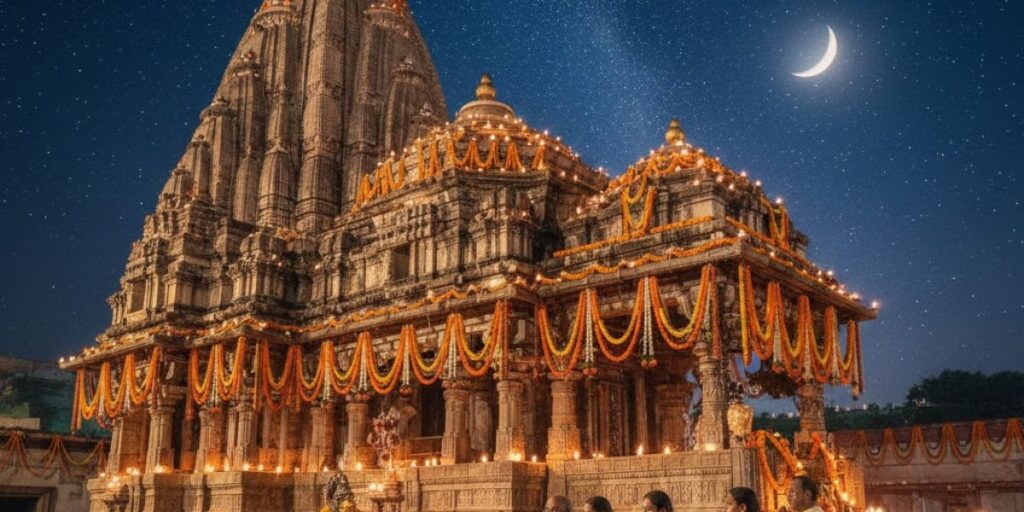
Table of Contents
History of Maha Shivaratri: The Stories Behind the Sacred Night
Mahashivratri has been celebrated for thousands of years. Its roots lie in ancient Hindu texts and traditions passed down through generations. The festival falls on the darkest night of the lunar month of Phalguna, usually in February or March. This timing is important, as darkness represents silence and stillness—qualities closely linked to Lord Shiva.
Origins of Maha Shivaratri
Ancient scriptures like the Puranas mention Mahashivratri as a sacred Hindu spiritual night devoted to Shiva. Over time, different stories became associated with this lord shiva festival. While the stories may vary, they all point toward the same idea: transformation through awareness.
Mahashivratri is not marked by loud celebrations or grand feasts. Instead, it is observed with discipline, devotion, and quiet strength. This reflects the nature of Shiva himself—simple, calm, and detached from excess.
The Divine Marriage of Shiva and Parvati
One of the most well-known stories linked to Mahashivratri is the marriage of Lord Shiva and Goddess Parvati. According to legend, Parvati performed deep meditation and penance to win Shiva’s heart. Her patience and dedication moved Shiva, and their union took place on this sacred night.
This story is more than a tale of marriage. It represents balance. Shiva stands for consciousness and stillness, while Parvati represents energy and action. Their union reminds us that life needs both awareness and effort to remain in harmony.
The Night of the Cosmic Dance
Another belief says that Maha Shivaratri is the night when Shiva performs the Tandava, his cosmic dance. This dance is not just movement—it symbolises the cycle of creation, preservation, and destruction.
Through the Tandava, Shiva clears away what is no longer needed so that new life can begin. This idea gives Mahashivratri a deeper meaning. It teaches that change is necessary, and letting go is part of growth.
The Story of Neelkanth
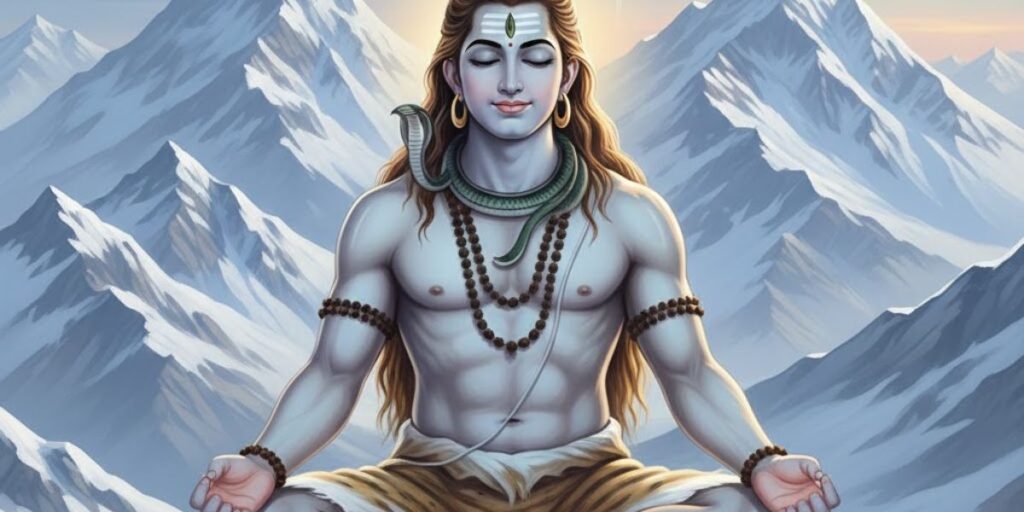
The legend of Samudra Manthan, or the churning of the ocean, is also connected to Mahashivratri. When poison emerged during the churning, it threatened to destroy the universe. Shiva drank the poison to protect creation, holding it in his throat. This turned his throat blue, earning him the name Neelkanth.
This story shows Shiva as a protector who absorbs suffering for the greater good. It explains why devotees offer water and milk to Shiva—to soothe the poison and express gratitude.
Cultural Meaning and Spiritual Significance of Maha Shivaratri
Mahashivratri is not only about stories from the past. Its true value lies in what it teaches people today. The festival encourages awareness, discipline, and inner clarity.
Maha Shivaratri as a Night of Consciousness
The word “Shiva” means that which is pure and limitless. Mahashivratri is seen as a night to experience this purity within oneself. Staying awake through the night is symbolic. It reminds people to stay alert and aware in life, rather than moving through it without thought.
Many believe that meditation on this night feels deeper and more natural. The quiet atmosphere helps the mind settle, making it easier to focus inward.
Rituals and Their Meaning
Fasting
Fasting on Mahashivratri is common. Some people eat only fruits, while others observe a full fast. Fasting is not meant to punish the body. It is a way to practice control and reduce distractions. When the body feels light, the mind often becomes clearer.
Night Vigil (Jagran)
Devotees stay awake through the night, chanting prayers or sitting in silence. This practice is called jagran. It represents alertness and awareness. Instead of sleeping through life, Mahashivratri asks people to stay awake to their thoughts, actions, and purpose.
Abhishekam
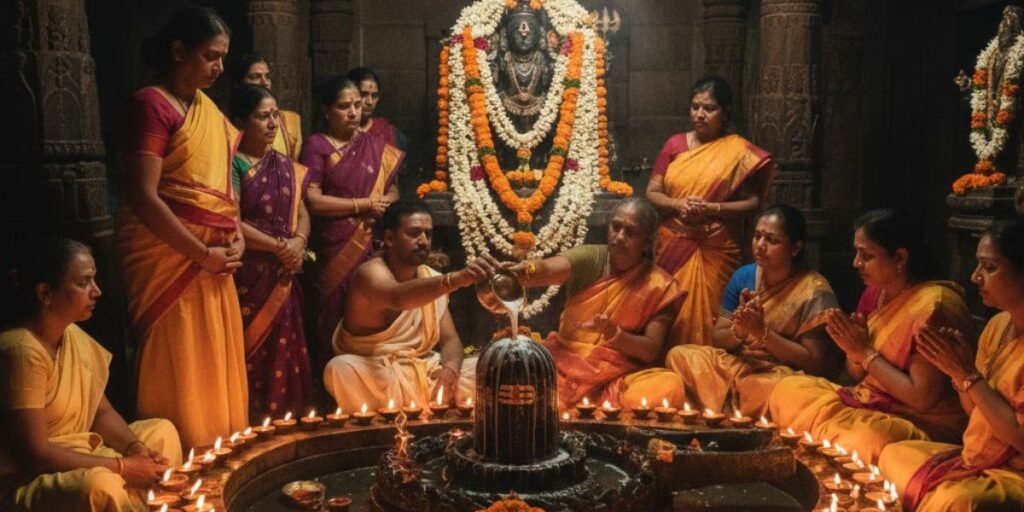
Abhishekam is the ritual bathing of the Shiva Lingam with water, milk, honey, or curd. Each offering has meaning. Water cools and calms. Milk represents purity. Honey stands for sweetness in life. These offerings remind devotees to clean their thoughts and emotions.
Chanting
Chanting “Om Namah Shivaya” is a central practice on Mahashivratri. The chant is simple and soothing. Repeating it helps quiet the mind and brings focus. Even those new to prayer find comfort in its rhythm.
Why Maha Shivaratri Is Celebrated at Night
Most festivals are celebrated during the day. Mahashivratri is different because it takes place at night. Night is often linked with fear or rest, but in spiritual traditions, it represents silence and depth.
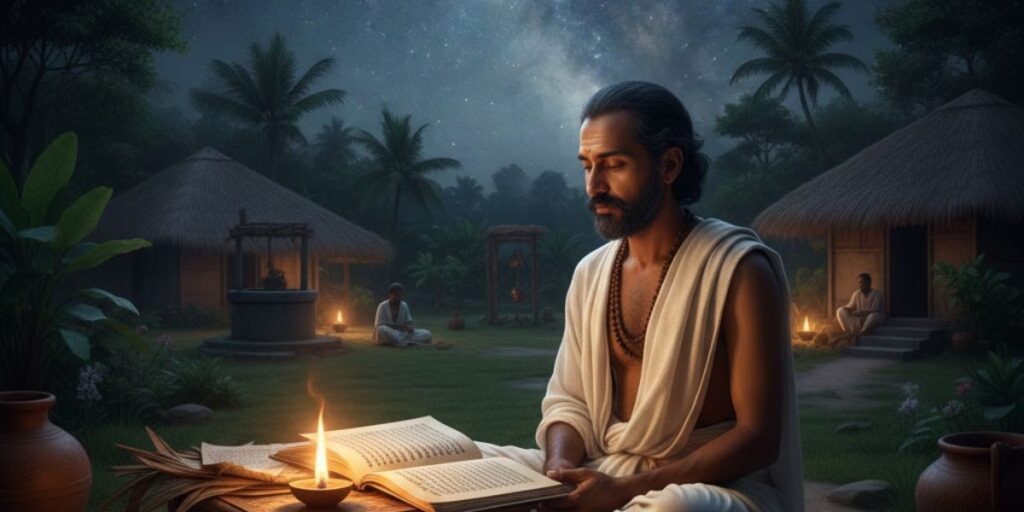
In the stillness of night, distractions fade. This makes it easier to reflect and observe one’s inner world. Mahashivratri uses darkness not as something to fear, but as a space for clarity and calm.
Maha Shivaratri Across the Region
Maha Shivaratri is celebrated across India in different ways. In Varanasi, known as the city of Shiva, thousands of devotees gather at the Kashi Vishwanath Temple. The air is filled with chants, prayers, and the soft glow of lamps. In Himachal Pradesh, the Mandi Shivaratri fair brings together devotion and local culture.
In southern India, temples remain open throughout the night, and rituals continue without interruption. In Nepal, the Pashupatinath Temple becomes a major centre of worship, drawing devotees from many parts of the world.
Outside India, Hindu communities celebrate Maha Shivaratri with the same devotion. Temples in Mauritius, Singapore, Malaysia, and several Western countries hold night-long prayers and cultural programs. With the help of technology, many people now take part through online pujas and live-streamed rituals.
Even with these modern changes, the true spirit of Maha Shivaratri remains unchanged. The focus stays on self-discipline, awareness, and inner peace.
Relevance of Maha Shivaratri in Modern Life
Today’s life is busy and noisy. People often feel stressed and restless. Mahashivratri offers a pause. It reminds us that peace is not found outside but within.
Even those who are not deeply religious find meaning in the festival’s message. Taking one night to slow down, reflect, and disconnect from constant activity can bring balance and calm.
Key Takeaways
- Maha Shivaratri is a sacred night dedicated to Lord Shiva. It focuses on silence, prayer, and inner peace.
- Unlike other festivals, it is not about celebration or noise. It is about turning inward and becoming calm.
- The stories of Mahashivratri teach important lessons about balance, change, and letting go.
- Fasting and staying awake help people control the body and quiet the mind.
- Rituals like abhishekam and chanting remind devotees to keep their thoughts pure and peaceful.
- Celebrating the festival at night shows the value of stillness and deep reflection.
- Even today, Mahashivratri helps people slow down and find peace in a busy life.
Citation
Britannica – Mahashivratri
Used for general understanding of Mahashivratri, its meaning, and historical background.
ISKCON Educational Resources
Referenced for explanations of Shiva worship, fasting, chanting, and spiritual practices.
Vedabase (Bhaktivedanta Vedabase)
Used for references to Shiva Purana, Linga Purana, and stories related to Lord Shiva.
Hindu American Foundation – Hindu Festivals
Referenced for cultural and spiritual significance of Hindu festivals, including Mahashivratri.
National Portal of India – Culture Section
Used for regional observances and cultural context of Mahashivratri in India.