
Summary
The Pongal Festival is a meaningful harvest celebration from Tamil Nadu that honours nature and farming life. It is known as a Tamil Harvest Festival, marked by cooking newly harvested rice with milk and jaggery in open pots. Pongal is also celebrated as a Surya festival, thanking the Sun God for life and energy. Over four days, families share food, decorate homes, thank farm animals, and enjoy time with loved ones. The festival expresses deep respect for nature, food, and community life.
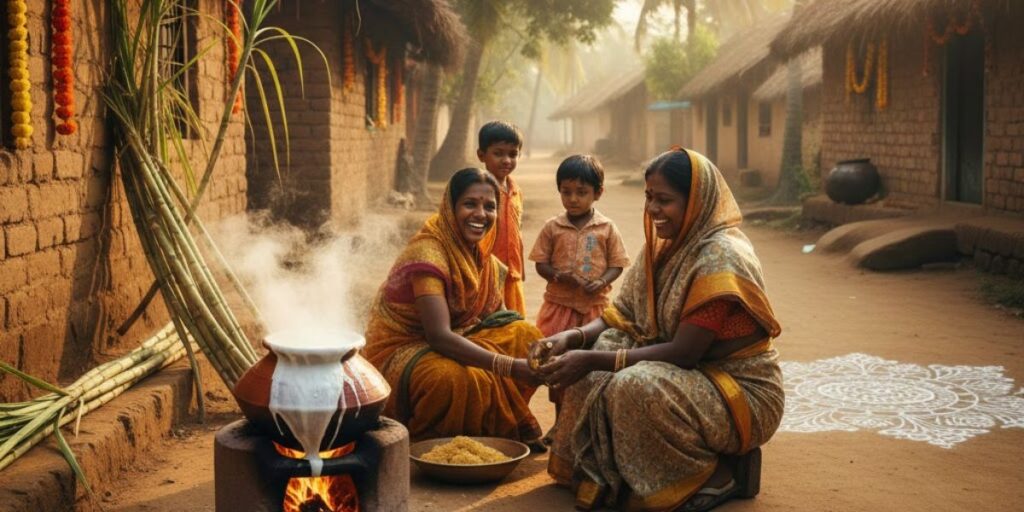
Table of Contents
History Behind Pongal
Origins of the Tamil Harvest Festival
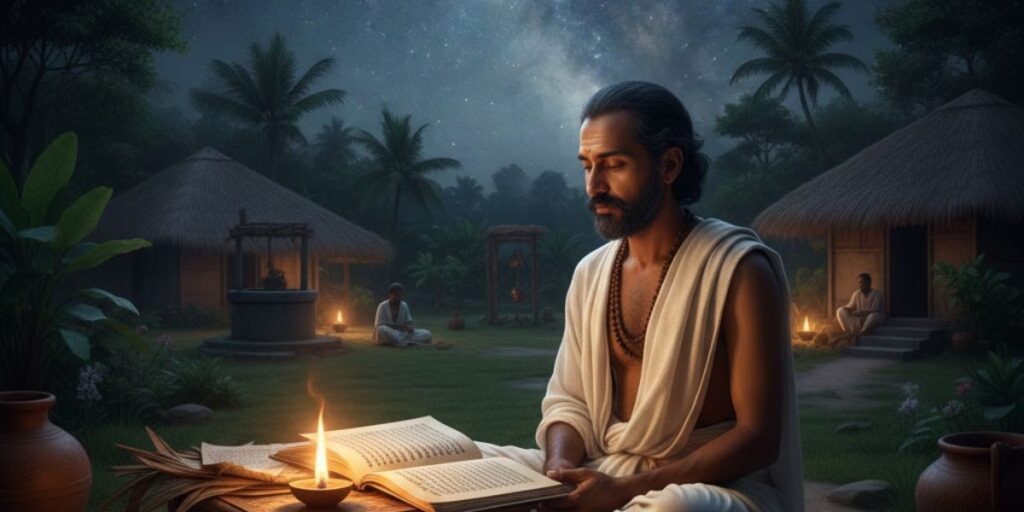
The roots of the Pongal Festival go back many centuries, likely to ancient Tamil traditions during the Sangam period. In those times, communities depended entirely on farming for food and survival. When the harvest season arrived in mid-January, people felt joy and relief after months of hard work. This moment became a time to stop and thank nature for its gifts. Today, that moment lives on in the Tamil Harvest Festival known as Pongal. In the old Tamil solar calendar, the festival marks the beginning of the month called “Thai” when the sun begins its northward journey. This movement of the sun was seen as a sign of warmth and longer days ahead. Villagers celebrated by offering the first rice harvest to the Sun God for blessing. Over generations, this became a regular yearly celebration that brings families together.
Meaning of the Word “Pongal”
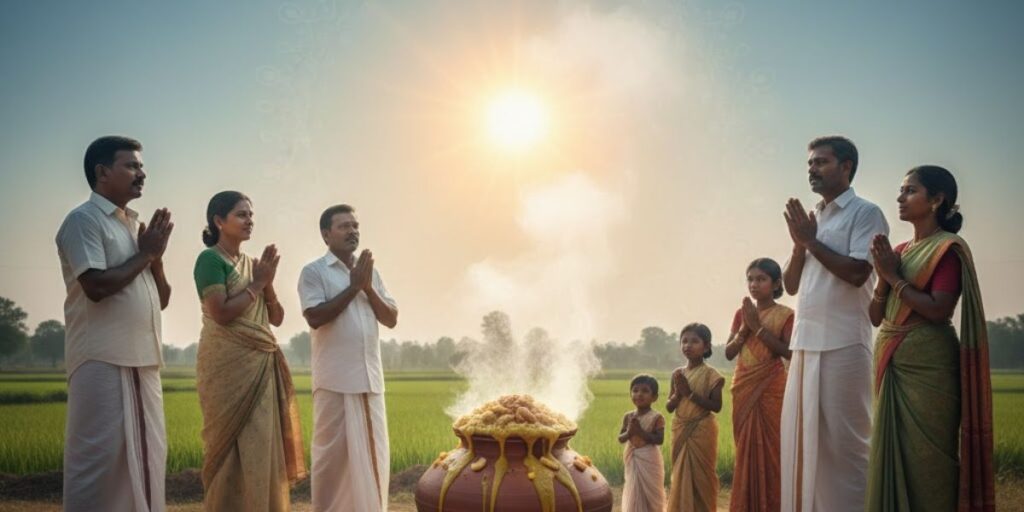
The name “Pongal” comes from the Tamil word meaning “to boil over.” It refers to the traditional practice of cooking rice and milk in a clay pot until it overflows. This boiling over is not seen as waste, but as a sign of abundance and good fortune. When the pot overflows, people shout “Pongalo Pongal” with joy, hoping life will be full of prosperity and happiness.
Pongal as a Surya Festival
Pongal is also known as a Surya festival because it honours the Sun God, Surya. For farming communities, sunlight was as important as rainfall and good soil. The sun helped crops grow and ripen, making it possible for farmers to harvest food. On the main day of the festival, people offer the sweet rice dish first to the Sun God before eating it themselves. This act of offering shows respect and thankfulness for the sun’s life-giving energy.
Cultural Meaning and Significance
Pongal Festival as a Celebration of Gratitude
At its heart, the Pongal Festival is about gratitude. It teaches people to appreciate where their food comes from and to thank the forces of nature that make life possible. In simple homes and busy fields alike, people prepare special foods, clean and decorate their houses, and share meals with family and neighbours. These actions show respect for the earth, animals, weather, and the hard work of farmers. In every part of Tamil Nadu, families come together in warm and joyful ways. Even those who live in cities try to follow old customs in whatever space they have. This shows how deeply the festival is woven into everyday life and culture.
The Four Days of the Pongal Festival
The Pongal Festival is celebrated over four meaningful days, each with its own customs and meanings.
Bhogi Pongal – First Day
The first day is called Bhogi Pongal. On this day, families clean their homes and remove old or unused things. There is a tradition of lighting a bonfire to burn these items, which symbolises letting go of the past and making space for new hopes. This day brings a feeling of starting fresh and preparing for the days ahead.
Thai Pongal – Second Day
Thai Pongal is the main day of the festival and is often what people think of first when they hear Tamil Harvest Festival. On this day, rice cooked with milk and jaggery is offered to the sun first and then shared by everyone. The cooking is often done outdoors, in a clay pot. The sight of the rice boiling over brings cheers of joy. Homes are decorated with colourful kolam (designs made with rice flour) and sugarcane sticks.
Mattu Pongal – Third Day
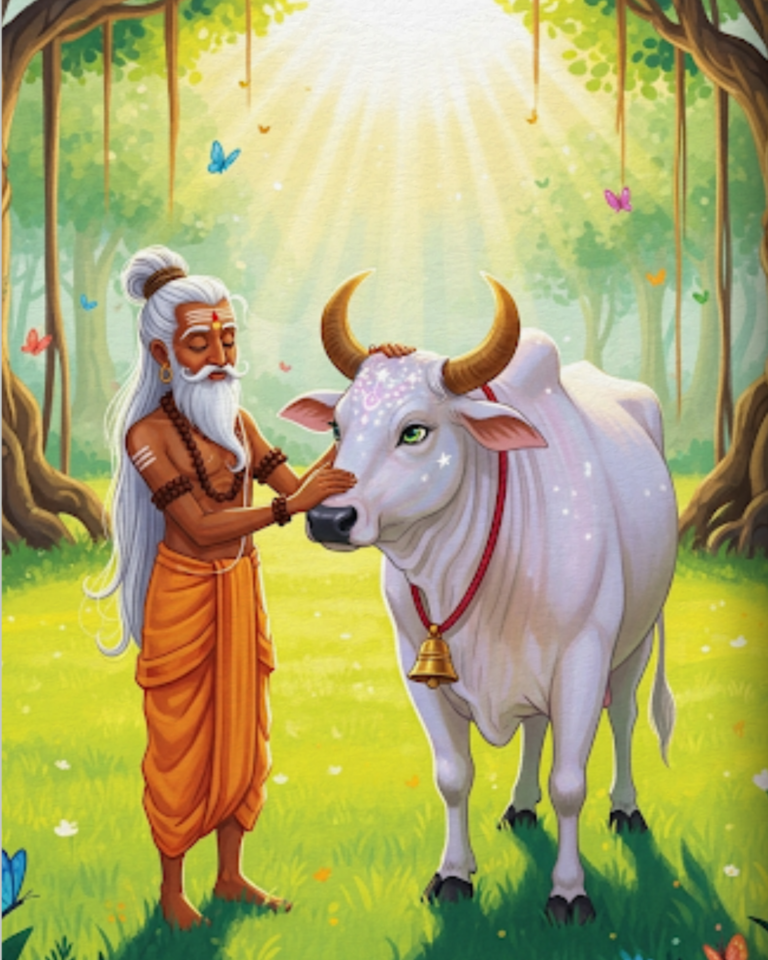
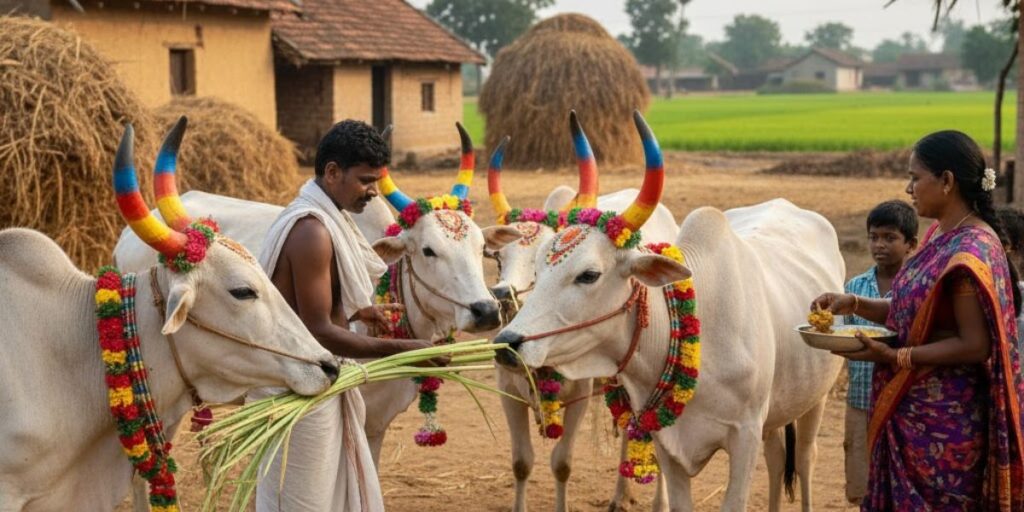
The third day, called Mattu Pongal, is dedicated to thanking cattle. Cows, bulls, and buffalo play a very important role on farms. They help plough the fields, carry loads, and support everyday farm work. On this day, animals are bathed, decorated with flowers, and fed well. This shows love and respect for their contribution to life and work.
Kaanum Pongal – Fourth Day
The final day is Kaanum Pongal, which is a day for families to relax and be together. People visit relatives, have picnics, and feast together. In some places, visits to riverbanks or community gatherings are common. This day is especially about family, friendship, and sharing good times.
Role of Rice in the Tamil Harvest Festival
Rice is the centre of the Tamil Harvest Festival. It is the staple food and a symbol of life itself. Growing rice needs careful work—from planting to watering, to waiting for the right time to harvest. When rice is newly harvested, it is a sign of food security and hope for the future.
Cooking rice with milk and jaggery reminds people of how much effort goes into bringing food to the table. Sharing the rice dish with family members and neighbours spreads the feeling of gratitude and community.
Simple Rituals from Everyday Life
Many rituals of Pongal come from simple actions. Drawing kolam designs with rice flour at the doorstep, decorating pots with flowers, and cooking food in open spaces are things families do every year. These small customs connect people to their land and traditions. Even in modern life, people try to keep these practices alive.
Values Passed Through the Surya Festival
As a Surya festival, Pongal teaches respect for natural forces. People understand that food, health, and daily life depend on the sun, soil, and rain. Children learn these values during celebrations. Adults are reminded to stay grateful and humble. These lessons make the Pongal Festival meaningful across generations.
Pongal Festival in Modern Life
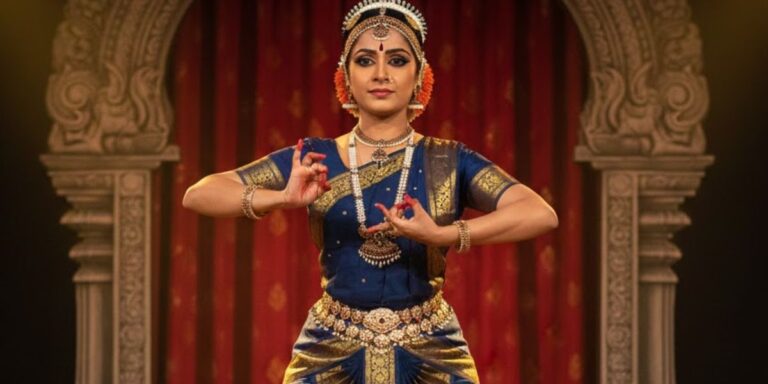
Today, even people living in cities celebrate Pongal. They may not have fields, but they still cook traditional dishes, decorate their homes, and share meals with friends and family. Cultural programmes, music, and dance also bring a lively spirit to the festival. This shows that Pongal is not just a rural event but a festival that lives in the hearts of many. Across the world, Tamil communities continue to observe the festival with joy. The Tamil Harvest Festival connects people to their roots and reminds them of their cultural history and identity.
Key Takeaways
- Pongal Festival is fundamentally a celebration of gratitude to nature.
- It is a Tamil Harvest Festival centred on rice, family, and farming life.
- Known as a Surya festival, it honours the Sun God for nourishment and warmth.
- The four days—Bhogi Pongal, Thai Pongal, Mattu Pongal, and Kaanum Pongal—each have special meaning.
- Simple rituals and shared meals keep the spirit of the festival alive in homes and communities.
Citations
- Encyclopaedia Britannica – Pongal | Tamil Harvest Festival
Referenced for historical background, agricultural roots, and Pongal’s connection with the solar cycle and Surya worship. - Tamil Cultural and Folk Traditions
Information drawn from commonly accepted Tamil oral traditions, folk practices, and regional customs related to farming, cattle worship, and harvest rituals. - General Studies on Indian Harvest Festivals
Used for broader context on harvest celebrations, rice-based rituals, and the role of nature and agriculture in traditional Indian festivals.